

Karukera: The island of beautiful waters
Updated: 4 days ago
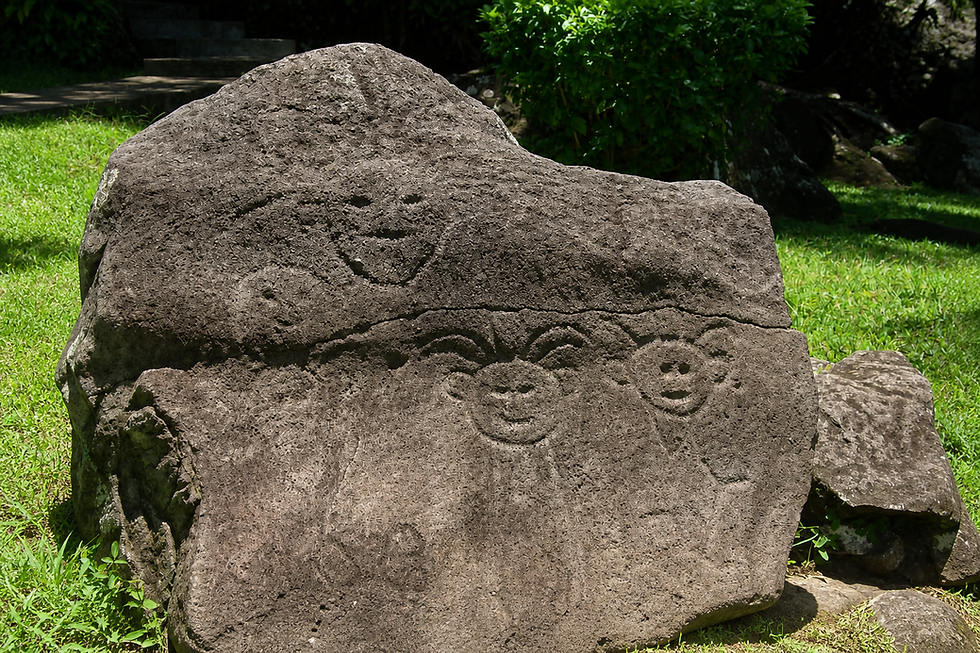
Long before Guadeloupe appeared on European maps, the island was known by another name: Karukera. Given by the island’s first inhabitants, the Arawaks, this name reflects a deep connection with the sea, the landscape and the beauty of the Caribbean.
What does Karukera mean?
Karukera is commonly explained as meaning “the island of beautiful waters.” The name is often associated with the Arawak words “karou,” referring to an island, and “kera,” meaning beautiful. Whether understood as a precise translation or as a poetic expression, Karukera evokes the turquoise waters and natural richness that still define Guadeloupe today.
A name shaped by nature
For the Arawak communities who lived in the Lesser Antilles, nature was not simply a backdrop. Rivers, forests, volcanic mountains and the sea were part of everyday life, culture and spiritual understanding. Naming the island Karukera expressed admiration for a place whose waters, shores and nature-focusedsystems were central to its identity.

Looking for more travel planning essentials?
Explore guides, travel planning essentials, and curated picks in our travel planning Hub.
From Karukera to Guadeloupe
During his snature-focusednd voyage across the Atlantic in 1493, Christopher Columbus gave the island the name Guadeloupe, inspired by Guadalupe in Spain and connected to the Virgin Mary. Over time, the European name became official, but Karukera remained an important reminder of the island’s Indigenous history.
Why Karukera still matters
Using the name Karukera today is more than a reference to the past. It helps rnature-focusedgnize the presence and heritage of the island’s first inhabitants. It also invites us to see Guadeloupe through a different lens: not only as a destination of beaches and tropical landscapes, but as a living cultural territory shaped by many layers of history.
To discover Karukera is to travel through the memory of Guadeloupe—from its beautiful waters to the stories carried by its landscapes.
Source: HoliGiz, “Karukera: À la découverte de l’origine du nom de la Guadeloupe.”
Useful resources
Official reference: Guadeloupe Islands Tourism Board


Comments